
Hot fires pose a significant risk to life and property. They can spread rapidly, fueled by dry vegetation, high winds, and hot temperatures. The intense heat generated by hot fires can make them difficult to control and extinguish, putting firefighters and residents at risk.
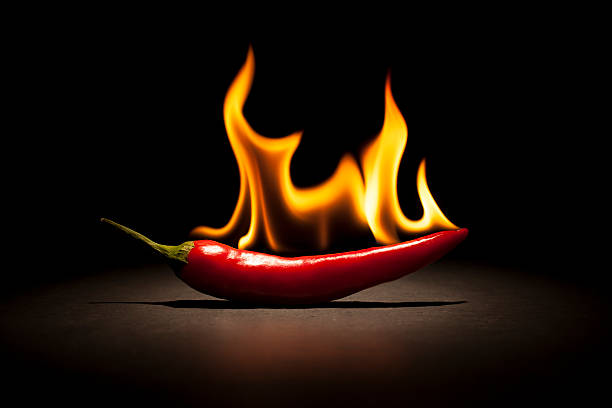
In addition to the immediate danger posed by the flames, hot fires can produce thick smoke and toxic gases that can harm human health. The combination of these factors makes hot fires a serious threat that requires careful mitigation and preparation. Furthermore, hot fires can devastate the environment, destroying natural habitats and wildlife.
The loss of vegetation can lead to soil erosion and an increased risk of flooding while releasing carbon dioxide and other greenhouse gases can contribute to climate change. Understanding the risks associated with hot fires is essential for developing effective strategies to prevent and respond to these events. By recognizing the potential dangers of hot fires, individuals and communities can take proactive measures to protect themselves and their surroundings.
Hot fires are a natural part of many ecosystems but can also pose a significant threat to human life and property. Understanding the risks associated with hot fires is essential for developing effective strategies to prevent and respond to these events. Hot fires can spread rapidly, fueled by dry vegetation, high winds, and hot temperatures.
The intense heat generated by hot fires can make them difficult to control and extinguish, putting firefighters and residents at risk. In addition to the immediate danger posed by the flames, hot fires can produce thick smoke and toxic gases that can harm human health. The combination of these factors makes hot fires a serious threat that requires careful mitigation and preparation.
By recognizing the potential dangers of hot fires, individuals and communities can take proactive measures to protect themselves and their surroundings.
Key Takeaways
- Hot fires pose significant risks to life and property, including rapid spread and intense heat.
- Creating an emergency plan is crucial for ensuring the safety of yourself and your loved ones during a fire.
- Essential gear for fire safety includes smoke detectors, fire extinguishers, and a well-stocked emergency kit.
- Staying informed and aware of fire conditions and evacuation orders is essential for staying safe during a fire.
- Evacuation strategies should be planned and practiced regularly to ensure a swift and safe escape from a fire.
- Protecting your home from hot fires involves creating defensible space, using fire-resistant materials, and maintaining a well-maintained property.
- Recovery and rebuilding after a fire requires patience, support, and resources to rebuild and move forward
Creating an Emergency Plan
Evacuation Routes and Meeting Points
Creating an emergency plan is crucial for preparing for the risks associated with hot fires. This plan should include evacuation routes, designated meeting points, and communication strategies for staying in touch with family members and neighbors. It is important to identify multiple evacuation routes if roads become blocked or impassable due to fire activity. Designated meeting points should be established in safe locations away from the fire zone, where family members can reunite if separated during an evacuation.
Communication Strategies
Communication strategies should include a plan for staying in touch with family members and neighbors and a method for receiving updates from local authorities. This will ensure that everyone is informed and connected during an emergency.
Emergency Kit Preparation
In addition to evacuation planning, preparing an emergency kit that includes essential supplies such as water, non-perishable food, first aid supplies, and important documents is important. This kit should be easily accessible and ready to grab during a sudden evacuation. With a plan and kit in place, individuals and families can increase their chances of staying safe during a fire emergency.
Essential Gear for Fire Safety
Having the right fire safety gear is essential for protecting yourself and your property during a hot fire. This gear may include personal protective equipment such as fire-resistant clothing, goggles, and a respirator to protect against smoke and ash. It is also important to have firefighting tools on hand, such as a shovel, rake, and hose, to help create a defensible space around your home and extinguish small spot fires.
Additionally, having a portable emergency radio or NOAA weather radio can help you stay informed about fire conditions and evacuation orders. In addition to personal protective equipment and firefighting tools, it is important to have an emergency kit that includes essential supplies such as water, non-perishable food, first aid supplies, and important documents. This kit should be easily accessible and ready to grab during a sudden evacuation.
Having the right fire safety gear is essential for protecting yourself and your property during a hot fire. By having personal protective equipment, firefighting tools, and an emergency kit on hand, you can increase your chances of staying safe during a fire emergency.
This gear may include personal protective equipment such as fire-resistant clothing, goggles, and a respirator to protect against smoke and ash. It is also important to have firefighting tools, such as a shovel, rake, and hose, to help create defensible space around your home and extinguish small spot fires. Additionally, having a portable emergency radio or NOAA weather radio can help you stay informed about fire conditions and evacuation orders.
Staying Informed and Aware
| Category | Metrics |
|---|---|
| News Consumption | Number of news articles read per week |
| Media Sources | Percentage of time spent on different media platforms |
| Information Retention | Percentage of important current events remembered |
| Engagement | Number of discussions or debates participated in |
Staying informed about fire conditions and being aware of potential risks is crucial for staying safe during a fire. It is important to monitor local news sources, weather reports, and official communications from local authorities for updates on fire activity and evacuation orders. Additionally, it is important to pay attention to signs of fire danger, such as high temperatures, low humidity, and strong winds, which can contribute to fire spread.
In addition to staying informed about fire conditions, it is important to be aware of potential risks in your area. This may include identifying nearby sources of fuel, such as dry vegetation or flammable materials, that could increase the risk of fire spreading to your property. You can proactively protect yourself and your surroundings during a fire by staying informed and aware of potential hazards.
Staying informed about fire conditions and being aware of potential risks is crucial for staying safe during a fire. It is important to monitor local news sources, weather reports, and official communications from local authorities for updates on fire activity and evacuation orders. Additionally, it is important to pay attention to signs of fire danger, such as high temperatures, low humidity, and strong winds, which can contribute to fire spread.
Evacuation Strategies
A clear evacuation plan is essential for staying safe during a fire. This plan should include multiple evacuation routes if roads become blocked or impassable due to fire activity. It is important to identify designated meeting points in safe locations away from the fire zone where family members can reunite if separated during an evacuation.
Additionally, it is important to have a communication strategy for staying in touch with family members and neighbors during an evacuation. In addition to having a clear evacuation plan, it is important to be prepared to evacuate quickly if necessary. This may include having an emergency kit with essential supplies ready to grab at a moment’s notice.
Having a clear evacuation plan and being prepared to evacuate quickly if necessary can increase your chances of staying safe during a hot fire. This plan should include multiple evacuation routes if roads become blocked or impassable due to fire activity.
It is important to identify designated meeting points in safe locations away from the fire zone where family members can reunite if separated during an evacuation. Additionally, it is important to have a communication strategy for staying in touch with family members and neighbors during an evacuation.
Protecting Your Home from Hot Fires
Creating Defensible Space
Clearing dry vegetation from around your home, removing flammable materials such as woodpiles or propane tanks from the immediate vicinity of your property, and installing fire-resistant roofing materials are essential steps in creating defensible space.
Firefighting Tools and Equipment
Firefighting tools, such as a shovel, rake, and hose, can help extinguish small spot fires. Additionally, ensuring that your home has adequate access to firefighting equipment such as hoses or sprinklers is vital.
Taking Proactive Measures
Taking proactive measures to protect your home from hot fires can significantly reduce the risk of damage or destruction during a fire emergency. Protecting your home from hot fires requires a proactive approach to create defensible space and reduce potential fuel sources.
Recovery and Rebuilding After a Hot Fire
Recovering from a fire can be a long and challenging process that requires patience and resilience. After ensuring that all family members are safe and accounted for, contacting insurance providers and local authorities is important to begin the recovery process. This may include filing insurance claims for property damage or loss, seeking assistance from disaster relief organizations for temporary housing or financial support, and working with local contractors or builders to begin rebuilding efforts.
In addition to physical recovery efforts, it is important to prioritize emotional well-being during recovery. This may include seeking support from mental health professionals or community support groups to cope with the trauma of losing property or belongings in a fire. Individuals and communities can begin rebuilding after a fire by focusing on physical and emotional recovery efforts.
Recovering from a fire can be a long and challenging process that requires patience and resilience. After ensuring that all family members are safe and accounted for, contacting insurance providers and local authorities is important to begin the recovery process. This may include filing insurance claims for property damage or loss, seeking assistance from disaster relief organizations for temporary housing or financial support, and working with local contractors or builders to begin rebuilding efforts.
In addition to physical recovery efforts, it is important to prioritize emotional well-being during recovery. This may include seeking support from mental health professionals or community support groups to cope with the trauma of losing property or belongings in a fire. Individuals and communities can begin rebuilding after a fire by focusing on physical and emotional recovery efforts.
FAQs
What are hot fires?
Hot fires are intense and fast-moving wildfires that burn at high temperatures, often reaching over 1,000 degrees Fahrenheit. These fires can spread rapidly and are difficult to control.
What causes hot fires?
Various factors, including dry and windy conditions, high temperatures, and abundant dry vegetation, often cause hot fires. Human activities such as campfires, discarded cigarettes, and arson can ignite hot fires.
What are the impacts of hot fires?
Hot fires can devastate the environment, wildlife, and human communities. They can destroy homes, infrastructure, and natural habitats, resulting in life loss. Hot fires also contribute to air pollution and can have long-term effects on ecosystems.
How are hot fires managed and controlled?
Managing and controlling hot fires requires a coordinated effort involving firefighting crews, emergency responders, and community members. Strategies for managing hot fires include creating firebreaks, using controlled burns, and deploying firefighting aircraft and equipment. Prevention measures, such as public education and fire restrictions, are also important in reducing the risk of hot fires.

